Megastructure Structural Feats
Spanning distances exceeding 100 meters without interior support demands structural acrobatics. We study the force equilibrium diagrams, steel grade metallurgy, and dynamic wind uplift countermeasures deployed in modern civic congress architecture.
Tension-Tied Bowstring Arches
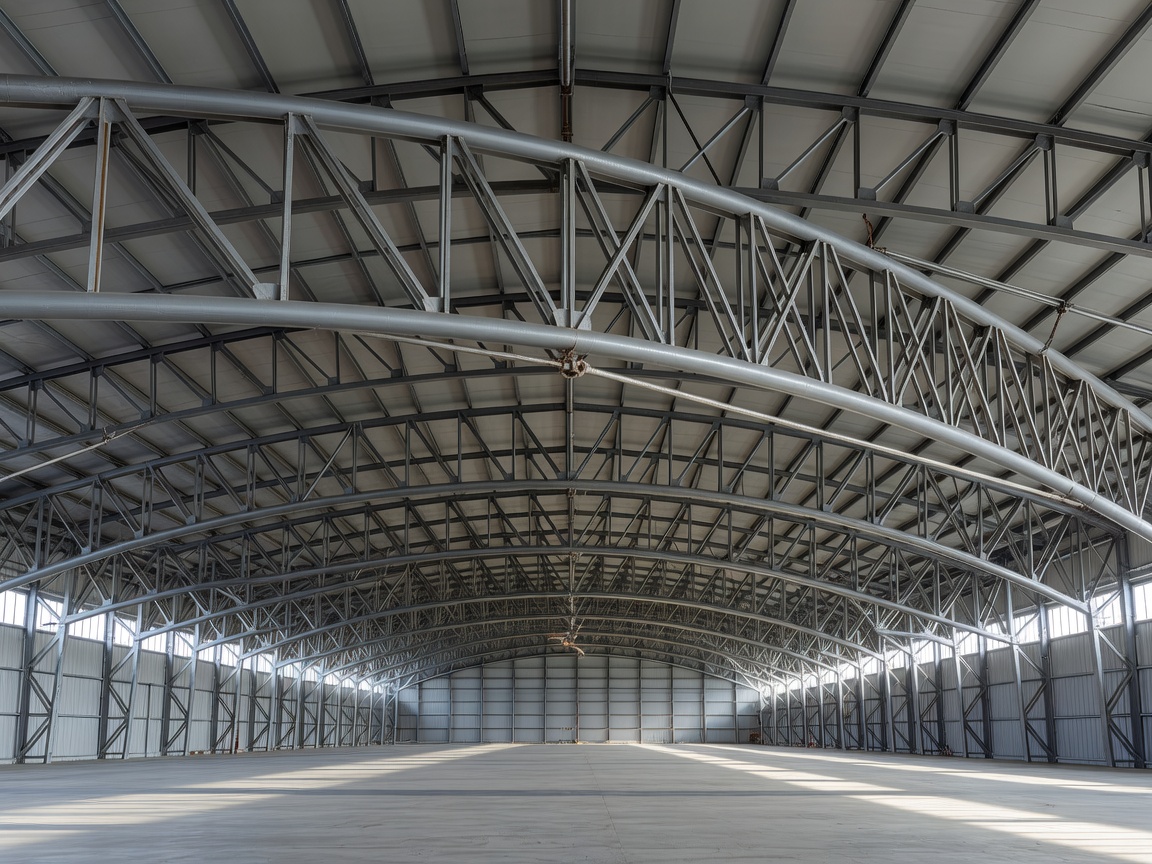
Bowstring trusses resolve horizontal thrust forces directly within continuous lower tension ties rather than transmitting lateral kicks to foundation piers. This reduces foundation pile sizes in riverside and waterfront convention developments where subterranean bearing capacities are poor.
High-strength cast-steel nodes connect diagonal web members with minimal stress concentration factors, yielding structural elegance when exposed inside primary assembly volumes.
Deep Plate Girder Transitions
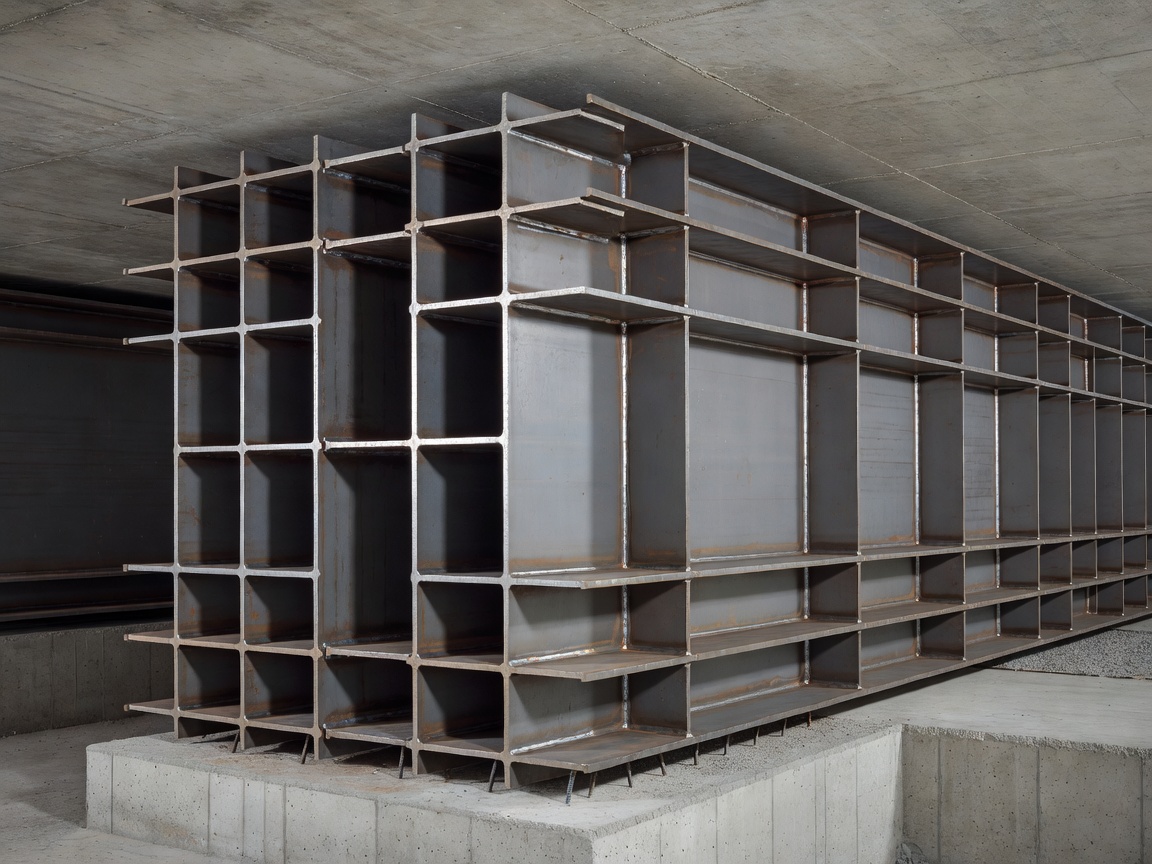
Accommodating multi-thousand seat auditoriums directly above loading docks demands 7-meter-deep welded plate girders built with high-yield S460ML steel plates.
Seismic Lead-Rubber Isolation
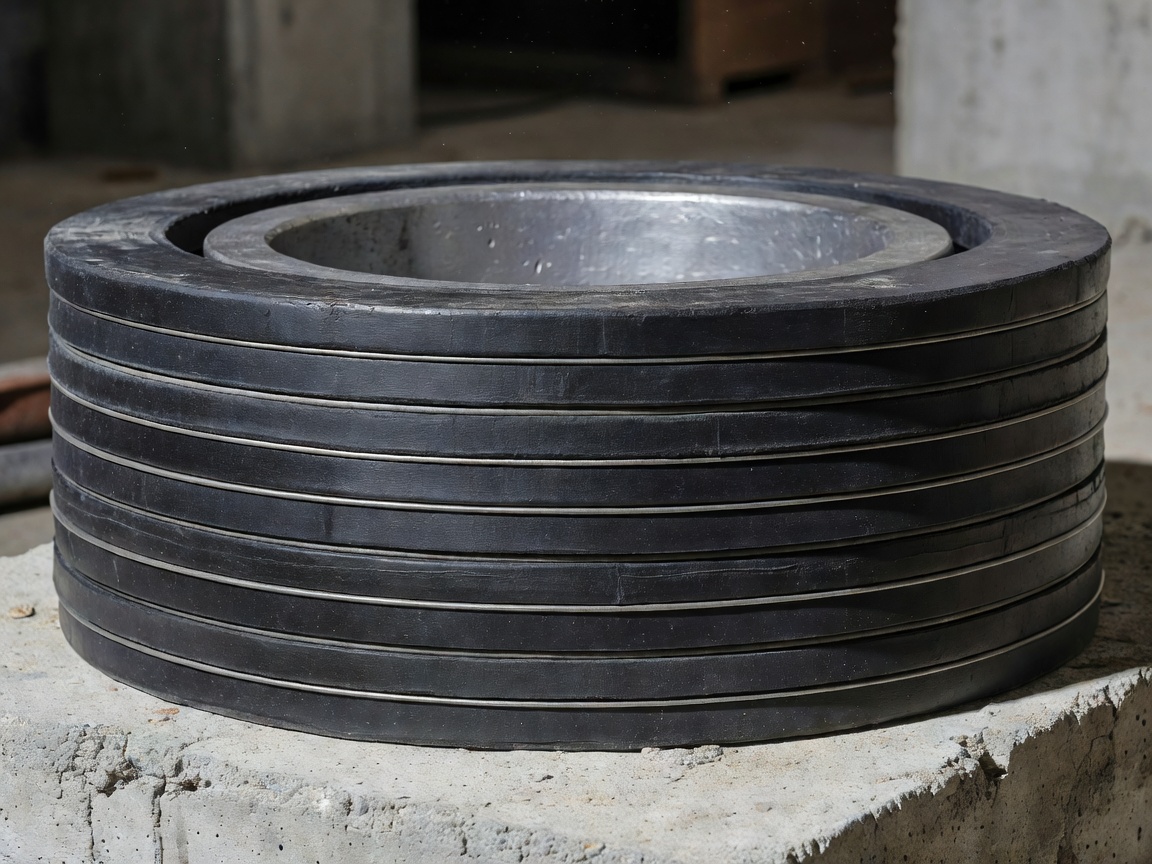
Decoupling vast planar roofs from ground motion acceleration prevents harmonic resonance failure across non-uniform spans during major seismic events.
Vortex Shedding Spoilers
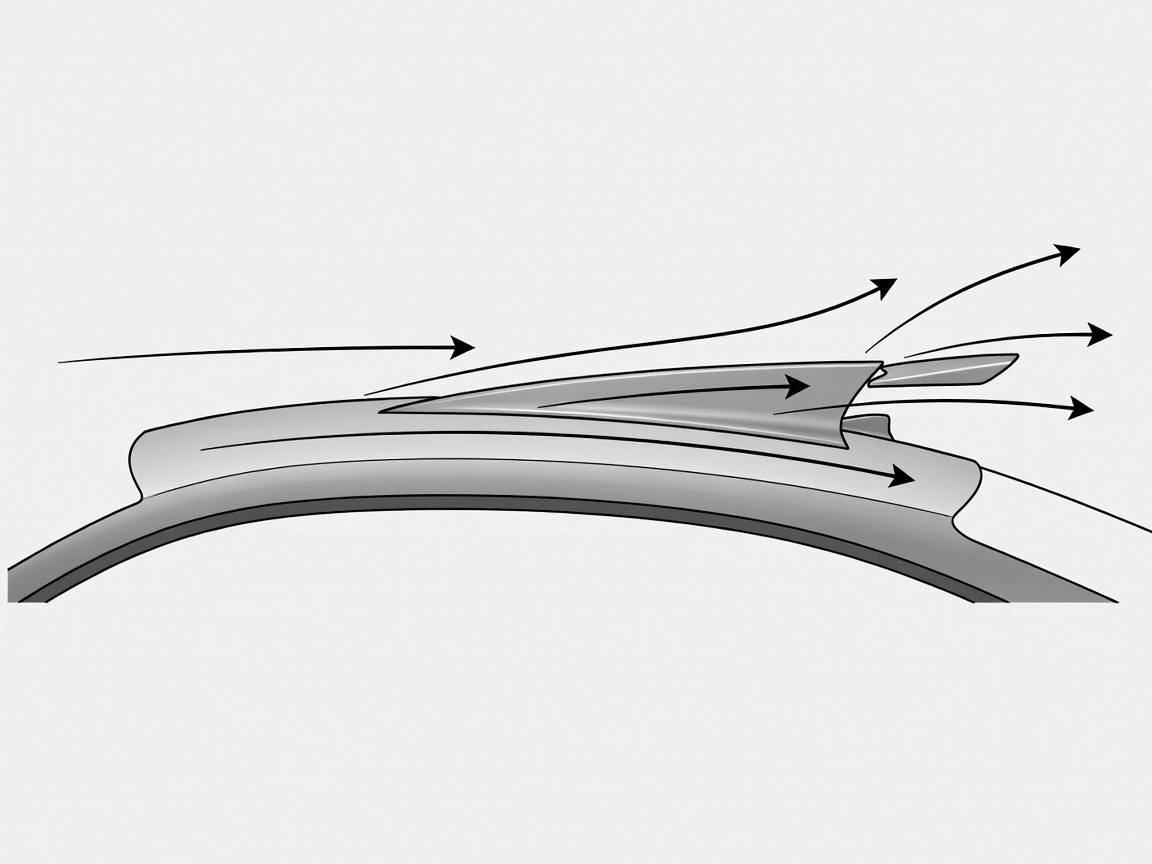
Cantilevered roof profiles utilize sculpted aerofoil fascias to break coherent wind eddies, stopping flutter oscillations across low-slope membrane expanses.
Critical Limit State Criteria for Mega-Trusses
Design serviceability requirements in civic convention engineering are strictly governed by live deflection limits (typically L/500 for roof spans carrying overhead stage rigging). Hanging point grids regularly support dynamic audio-visual arrays up to 2,000 kg per nodal cluster, necessitating real-time strain-gauge sensor integration directly linked to the building automation brain.